myCHEF — bali wet season menu
Wet Season Menu Guide
By myCHEF Team
Bali's Best Seasonal Produce & Dining November–March
- Durian & Jackfruit Season
- Highland Produce
- Indoor Villa Dining
- Warming Menus
Published rates are ++ — 10% service charge and 11% government tax are added to the listed price. Your quote is always confirmed as a fixed, itemised all-in total before you commit.
Bali Wet Season Dining
Dining in Bali's Wet Season (November–March): What to Eat
Bali's wet season runs November through March, peaking in January and February. It doesn't mean constant rain — it means afternoon and evening tropical downpours, emerald-green landscapes, and a very different set of produce on market stalls. Visitor numbers drop, villa rates are lower, and the island feels intimate and unhurried.
Wet season dining is a different experience — heavier warming dishes, distinct ingredients that only appear at this time of year, and indoor or covered terrace setups that feel cosy rather than compromised. A skilled private chef adapts the menu to what the season genuinely offers rather than fighting it. This guide covers what to expect, what's in season, and how to get the best private dining experience during Bali's rainy months. For year-round context, see our complete Bali catering menu guide.
Seasonal Produce
What's in Season November–March
The wet season delivers some of Bali's most unique produce — ingredients that dry-season guests never encounter. Rain-fed highland vegetables are at their best, and certain tropical fruits reach peak season only in these wetter months.
Wet-season fruits:
- Durian — the wet season's most legendary fruit. Harvest peaks December–February. Rich, custard-like, intensely aromatic. Exceptional eaten fresh, folded into sticky rice (durian sticky rice is a classic), or incorporated into a bold dessert by a chef who knows how to balance its intensity.
- Jackfruit (nangka) — peaks December–March. Young jackfruit is a prized savoury ingredient (pulled "jackfruit" preparations, curries, rice dishes). Ripe jackfruit is sweet and fragrant — excellent in desserts and smoothies.
- Langsat and duku — small, translucent, grape-like fruits available January–March. Delicate, sweet-sour flavour. Underused by tourist menus but beloved locally.
- Soursop (sirsak) — creamy white flesh, citrus-tropical flavour. Available wet season through early dry season. Superb in ice creams, sorbets, and fresh juices.
- Avocado — Bali's highland avocados peak in the wet season, particularly in the Kintamani and Bedugul areas. Far richer and creamier than imported varieties.
Vegetables: Wet-season rains boost production in Bali's highland farming villages. Kintamani delivers excellent tomatoes, corn, and leafy greens. Bedugul is the source for strawberries (yes, genuinely available December–February), capsicum, broccoli, and cabbage varieties that don't survive dry-season heat.
Mushrooms: The wet season is prime mushroom season across Bali's forested highland regions. Oyster mushrooms, shiitake, and wild forest varieties appear in markets from November onward — far superior to imported dried alternatives.
Seafood note: Rougher wet-season seas mean fishing is more restricted, particularly January–February. Fresh tuna and snapper are still available from the Jimbaran market on calm days, but your chef will confirm availability based on that morning's conditions. Farmed barramundi and prawns are consistent year-round alternatives.
By Occasion
Wet Season Dining by Event Type
Intimate Villa Dinners
The wet season is peak season for intimate 2–8 person dinners. Fewer tourists, quieter villas, lower prices, and a cosy indoor ambiance created by the sound of rain. The best romantic dinners at Bali villas often happen between November and February.
Yoga & Wellness Retreats
November–March is popular for smaller wellness groups who want Bali without crowds. Menu focus: warm but clean — highland vegetables, mushrooms, jackfruit proteins, minimal oil. Ayurvedic-influenced menus using local spices (turmeric, ginger, galangal) work beautifully in the wetter, cooler months.
Honeymoons & Anniversaries
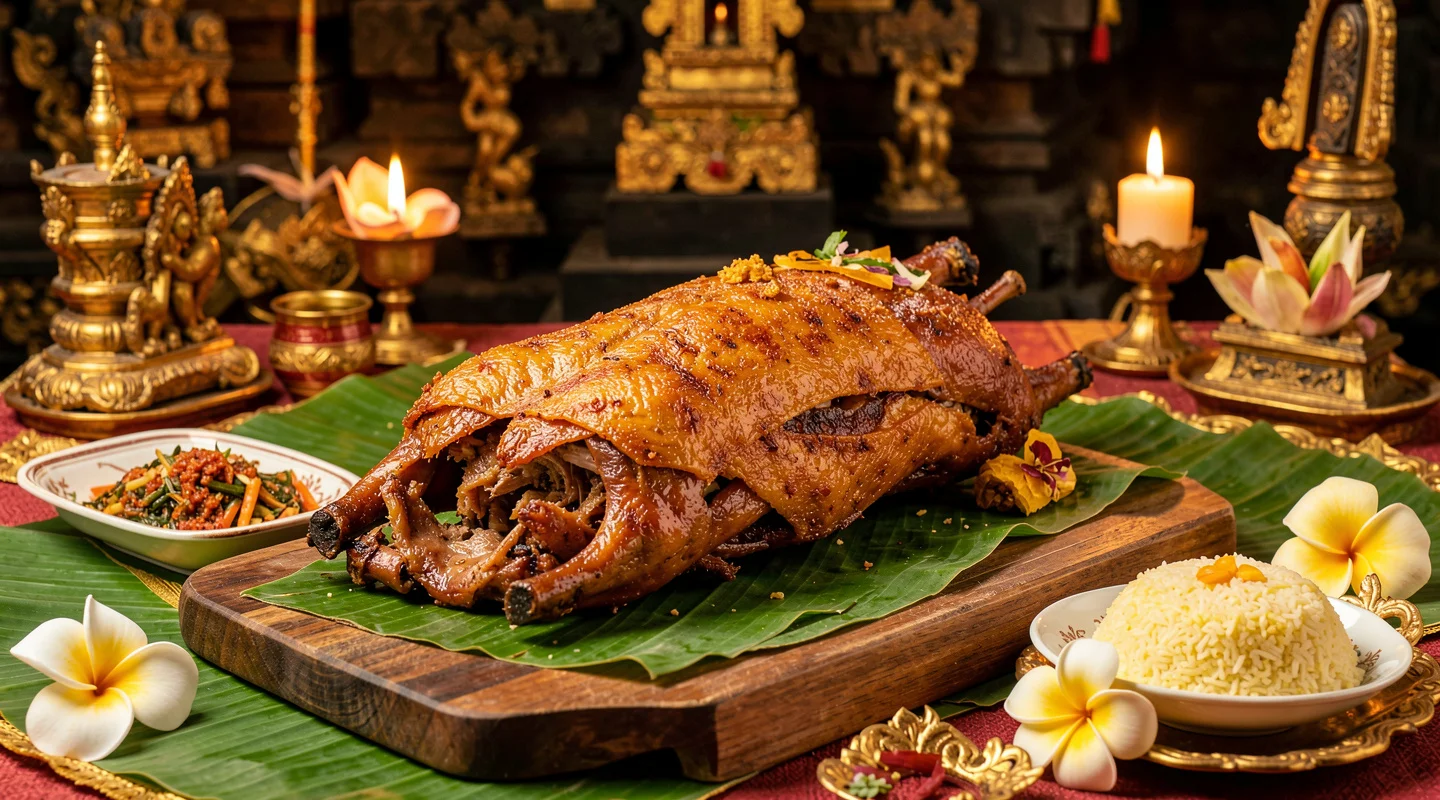
The wet season is a secret for couples — fewer crowds, better villa rates, and evenings that feel genuinely private. A covered terrace dinner for two with durian-based desserts, warm spiced duck, and locally sourced Highland produce is a signature wet-season experience.
Small Corporate Retreats
Off-peak pricing and quieter Bali make November–March ideal for internal corporate retreats and team offsites (not events for clients). Groups of 8–20 can book full villas at lower rates and have the place to themselves. Communal family-style dinners work well for team bonding.
Festive Celebrations (Dec–Jan)
December and early January are an exception to the quiet-season rule — Christmas and New Year bring a spike in visitors. Villa parties for Christmas Eve, New Year's Eve, and NYD are popular. Festive menus blend Western Christmas traditions with Balinese seasonal ingredients. See our dedicated festive menu guide.
Long-Stay Guest Meals
Long-stay villa guests (2+ weeks) benefit most from wet-season variety — a chef who changes the menu based on what's fresh at market that morning will produce far more interesting meals than a fixed weekly rotation. The wet season's unique produce makes this especially rewarding.
Planning Tips
Wet Season Dining: What to Know Before You Book
The wet season surprises most visitors in positive ways. Here is how to make the most of it from a dining perspective:
Plan for indoor or covered dining. Afternoon rains are predictable (typically 14:00–17:00), but evening showers can arrive unexpectedly. A covered terrace, pavilion, or indoor villa dining room is the right setup for wet-season dinner parties rather than exposed pool-deck tables. Most quality Bali villas have covered pavilions that actually feel more atmospheric in the rain.
Embrace the unique produce. Ask specifically for durian, jackfruit, soursop, Highland strawberries, and wild mushrooms — these are things you cannot get at the same quality during dry season. A wet-season dinner built around these ingredients is more interesting and more authentically seasonal than a generic tropical menu.
Flexibility with seafood. On stormy days, fresh ocean catch may be limited. Your chef will know the morning of your dinner and will have alternatives ready. Farmed barramundi, freshwater prawns, and consistent produce alternatives mean wet-season menus rarely feel like a compromise — they just taste different.
Book in advance despite lower occupancy. The best myCHEF chefs work year-round and their schedules fill even in quiet months. A 7–10 day lead time is standard; festive-period bookings (Christmas and New Year) should be made 3–4 weeks in advance regardless of season.
Consider a morning cooking class. Wet-season mornings are almost always clear and sunny. A market visit and cooking class before an afternoon lunch is one of the most popular experiences for wet-season guests — and the morning's market finds often dictate the best menu options for the afternoon meal.
Ready to plan your wet season dining? Explore catering options or compare with the dry season menu guide.
Plan Your Wet Season Menu
Questions
Frequently Asked
Still deciding?
Send your date, guest count and villa area — we reply within 1 hour with a fixed quote.
Still deciding?
Send your date, guest count and villa area — we reply within 1 hour with a fixed quote.
Still deciding?
Send your date, guest count and villa area — we reply within 1 hour with a fixed quote.
Explore More
Bali Catering Menu Guide
Year-round Bali catering menu ideas, seasonal ingredients, and pricing.
Dry Season Menu Guide
Peak-season produce and menu ideas for Bali April–October.
Festive Season Menu Guide
Christmas and New Year private chef dining in Bali.
Catering Services
Full-service catering for villa events, weddings, and retreats.
Ready to Get Started?
We reply within the hour
Published rates are ++ — 10% service charge and 11% government tax are added to the listed price. Your quote is always confirmed as a fixed, itemised all-in total before you commit.