myCHEF — bali dry season menu
Dry Season Menu Guide
By myCHEF Team
Bali's Best Seasonal Produce & Dining April–October
- Peak Season Ingredients
- Plated & Buffet Menus
- Planning Tips
- Sunset Dinners
Published rates are ++ — 10% service charge and 11% government tax are added to the listed price. Your quote is always confirmed as a fixed, itemised all-in total before you commit.
Bali Dry Season Dining
The Best Private Chef Menu for Bali's Dry Season (April–October)
Bali's dry season — April through October — is when the island runs at full throttle. Villa occupancy peaks, wedding season is in full swing, and every evening feels designed for outdoor dining. The skies are clear, the air is warm but not oppressive, and Bali's markets overflow with the best produce of the year.
A private chef who understands the dry season doesn't just cook — they source. The difference between a memorable dry-season dinner and a generic hotel buffet lies almost entirely in what arrives from the market at 5am. This guide covers which ingredients are at their peak, which dishes make the most of them, and how to structure a menu that takes full advantage of Bali at its best. See our complete Bali catering menu guide for year-round context.
Seasonal Produce
What's in Season April–October
Dry-season Bali delivers the island's most celebrated fruits alongside the freshest seafood of the year, as calmer seas mean fishing boats go out daily.
Tropical fruits at their peak:
- Mangosteen (manggis) — Bali's most prized fruit. Available May–July, intensely aromatic, sweet-tart white flesh. At its best eaten straight or as a sorbet, compressed in a sauce, or served alongside a fresh cheese course.
- Salak (snake fruit) — native to Bali, harvest peaks May–October. Crunchy, astringent, honey-sweet. Excellent raw, in ceviche-style salads, or caramelised as a plated dessert component.
- Rambutan — juicy, lychee-adjacent. Best June–August. Works beautifully in cold starters, cocktail garnishes, or alongside duck and pork.
- Local papaya and banana varieties — available year-round but peak sweetness in the dry season. Ideal for breakfast spreads, smoothie bowls, and desserts.
- Starfruit (belimbing) — tart and crunchy, excellent in fresh salads and as a garnish for grilled fish.
Seafood: Calm dry-season seas mean daily catches. Tuna from the Jimbaran fishing village, red snapper, barramundi, squid, and prawns are all at their freshest. Your chef should be sourcing direct from the Jimbaran fish market or through a trusted fishmonger who buys that morning.
Vegetables and herbs: Dry-season heat brings excellent long beans, eggplant varieties, local corn, banana blossom, and cassava leaves. Highlands produce (Bedugul and Kintamani) delivers sweet potatoes, cabbages, carrots, and shiitake mushrooms even during dry months.
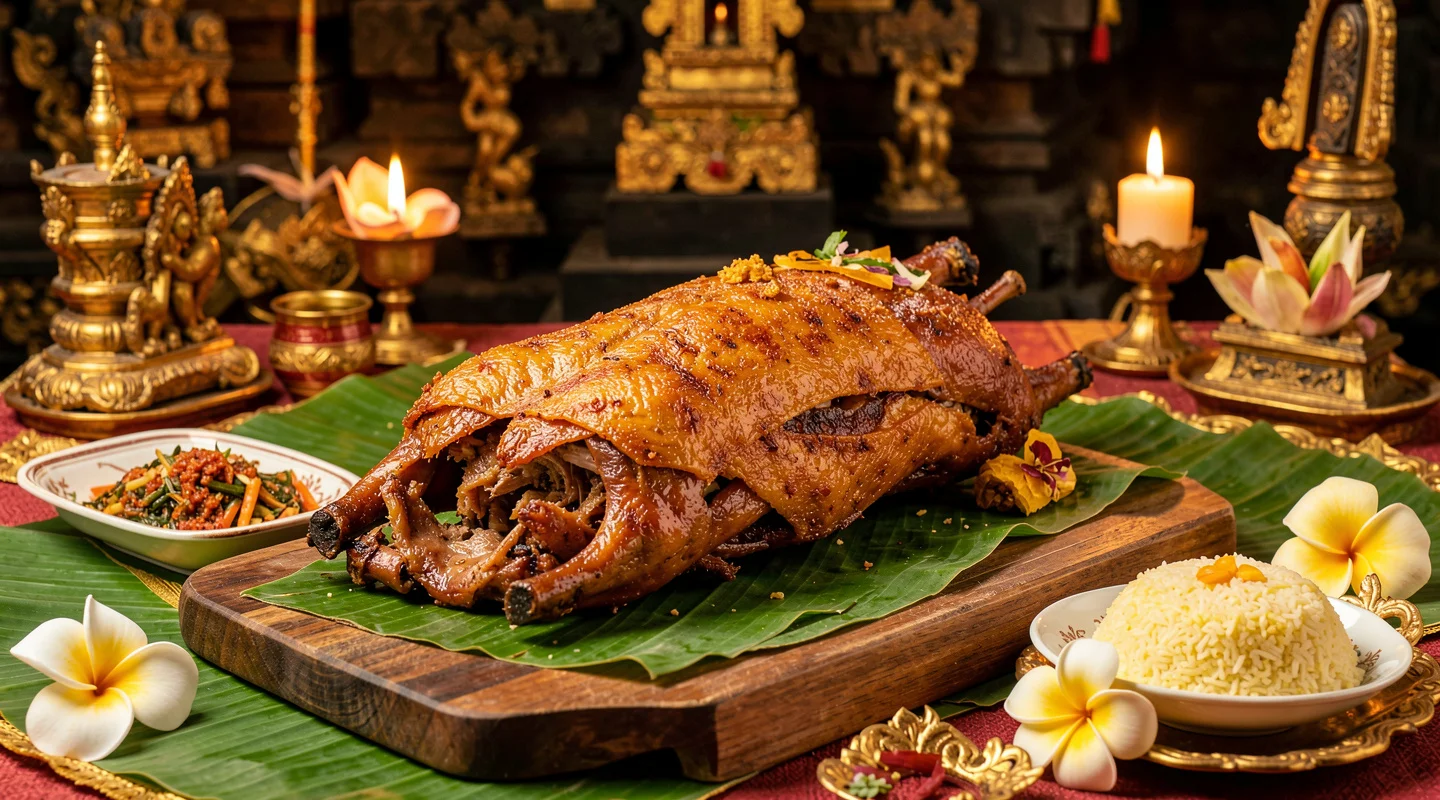
Proteins: Babi guling (suckling pig) and ayam betutu (ceremonial spiced chicken) are available year-round, but dry-season events make ceremonial presentation easier — outdoor setups, whole-roast service, and carving stations work best in guaranteed-dry weather.
By Occasion
Dry Season Dining by Event Type
Pool Lunches & Day Parties
The dry season's predictable weather is made for all-day pool events. Light menus work best: fresh seafood, salads, cold noodle bowls, fruit platters, and frozen drinks. Plan for 12:30–15:00 service to catch guests before afternoon sun becomes strong.
Weddings (Peak Season)
June–September is Bali's peak wedding season. Full outdoor setups are reliably safe. Menus should lean into seasonal abundance: tropical fruit centrepieces, fresh-catch seafood starters, and a babi guling carving station create an unmistakably Balinese celebration.
Sunset Dinner Parties
Bali's dry season sunsets are spectacular. A plated 4–5 course menu timed to finish as the sun dips below the Indian Ocean horizon is a signature experience. Tuna crudo, grilled barramundi, and fresh fruit desserts make full use of peak-season produce.
Corporate & Retreat Groups
April–October brings significant corporate retreat and wellness group traffic. These groups often want a mix: light, healthy daytime menus (smoothie bowls, salads, grilled fish) and one celebratory communal dinner — typically a full Balinese feast on the final evening.
Yoga & Wellness Retreats
Dry season is peak retreat season in Ubud and Canggu. Menu focus: plant-forward, low-oil, high-freshness. Local highland vegetables, tempeh, sprouted grains, and fresh tropical fruits with minimal processing. The chef coordinates timing around morning and afternoon sessions.
Anniversary & Romantic Dinners
The combination of reliable weather, peak seasonal produce, and long golden evenings makes dry season ideal for intimate dinners for two. A 5-course plated menu on a villa terrace, with mangosteen-based dessert and a Champagne pairing, is a signature myCHEF experience.
Planning Tips
How to Plan a Dry Season Menu: Practical Advice
The dry season is when myCHEF is busiest. Chefs and event slots book up quickly in May for June–September events. Here is what experienced villa guests do to get the best outcome:
Book at least 2 weeks in advance. During peak season (July–August), the best chefs are booked 3–4 weeks out. If you have a fixed event date, confirm your chef as soon as your villa booking is confirmed.
Share your dietary requirements upfront. Dry season events often involve mixed groups — some vegetarian, some with allergies, international guests with varied preferences. Sharing the full guest list dietary profile at booking time allows your chef to plan a menu that works for everyone without last-minute substitutions.
Trust the seasonal produce, not the fixed menu. Ask your chef what is best at market the week of your event rather than locking into a rigid menu months ahead. A good chef in Bali builds menus around what arrives from the market, not the other way around. The best dry-season meals are those that respond to what is available, not what was planned in January.
Plan your timing around the setting sun. Dry-season sunset times in Bali range from 17:50 (April) to 18:20 (September). For a sunset dinner, aim to have the final course serving by 18:30, or time the first course arrival at 17:30 so guests are at the table when the sky turns. Your chef can time mise-en-place to match.
Consider a Balinese market tour the morning before. myCHEF chefs can take small groups to the Ubud market (morning) or Jimbaran fish market (pre-dawn) before preparing the day's menu. This is a popular add-on for guests who want to understand where their food comes from.
Ready to plan your dry season dinner? View catering options or choose between buffet and plated service before you book.
Plan Your Dry Season Menu
Questions
Frequently Asked
Still deciding?
Send your date, guest count and villa area — we reply within 1 hour with a fixed quote.
Still deciding?
Send your date, guest count and villa area — we reply within 1 hour with a fixed quote.
Still deciding?
Send your date, guest count and villa area — we reply within 1 hour with a fixed quote.
Explore More
Bali Catering Menu Guide
Year-round Bali catering menu ideas, seasonal ingredients, and pricing.
Buffet vs Plated Service
Which catering format is right for your Bali villa event?
Private Chef Pricing
Full pricing guide for private chefs and catering in Bali.
Catering Services
Full-service catering for villa events, weddings, and retreats.
Ready to Get Started?
We reply within the hour
Published rates are ++ — 10% service charge and 11% government tax are added to the listed price. Your quote is always confirmed as a fixed, itemised all-in total before you commit.