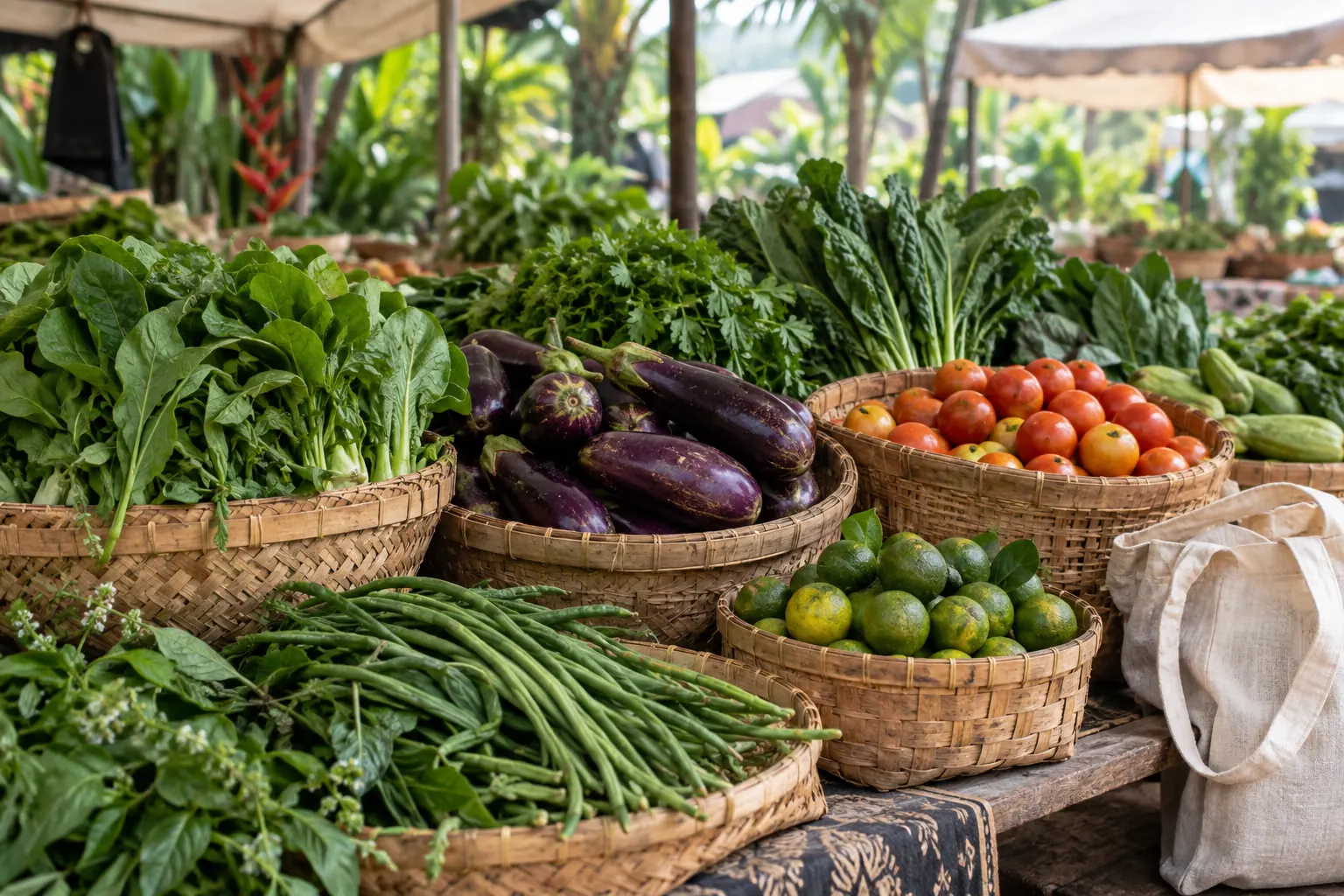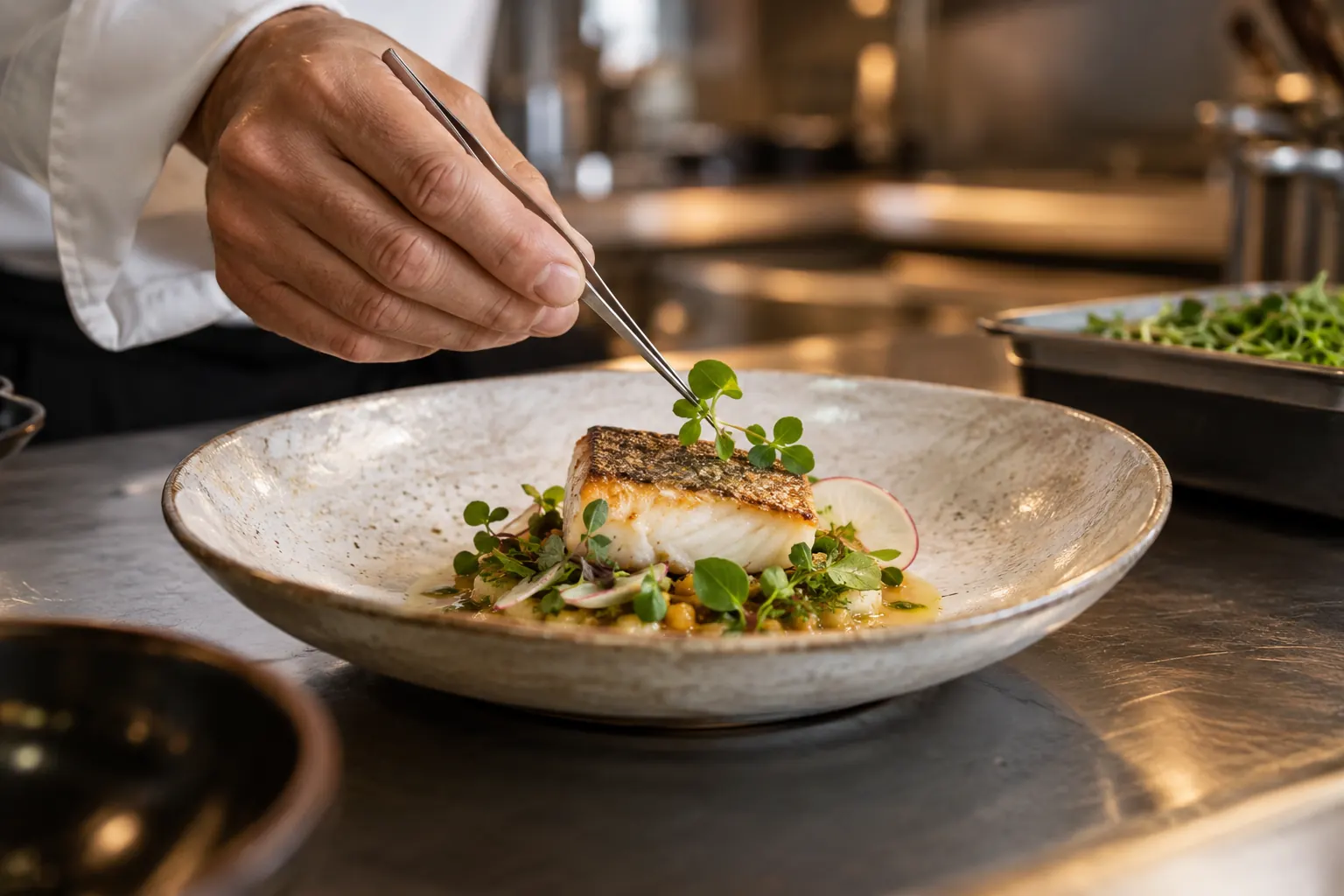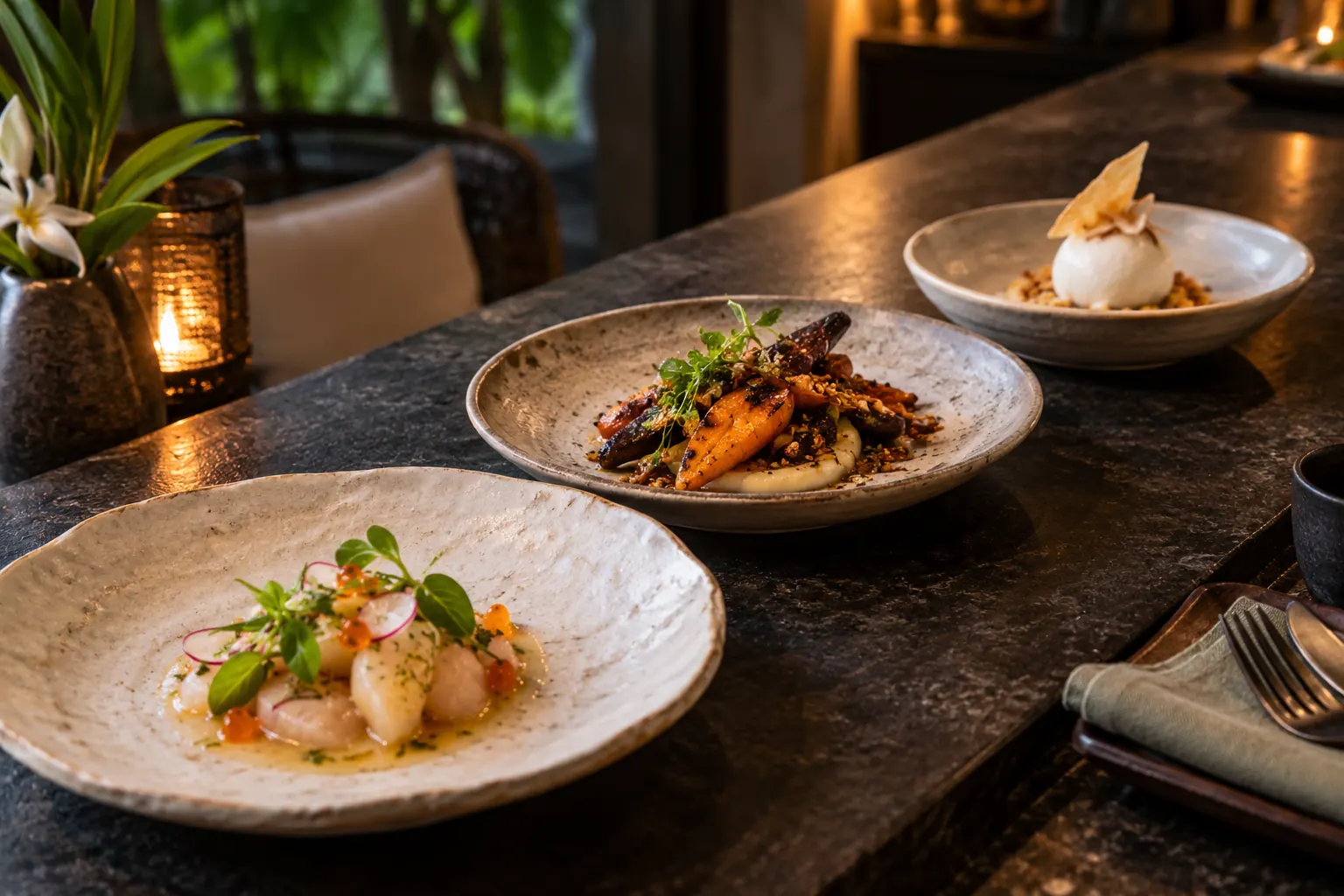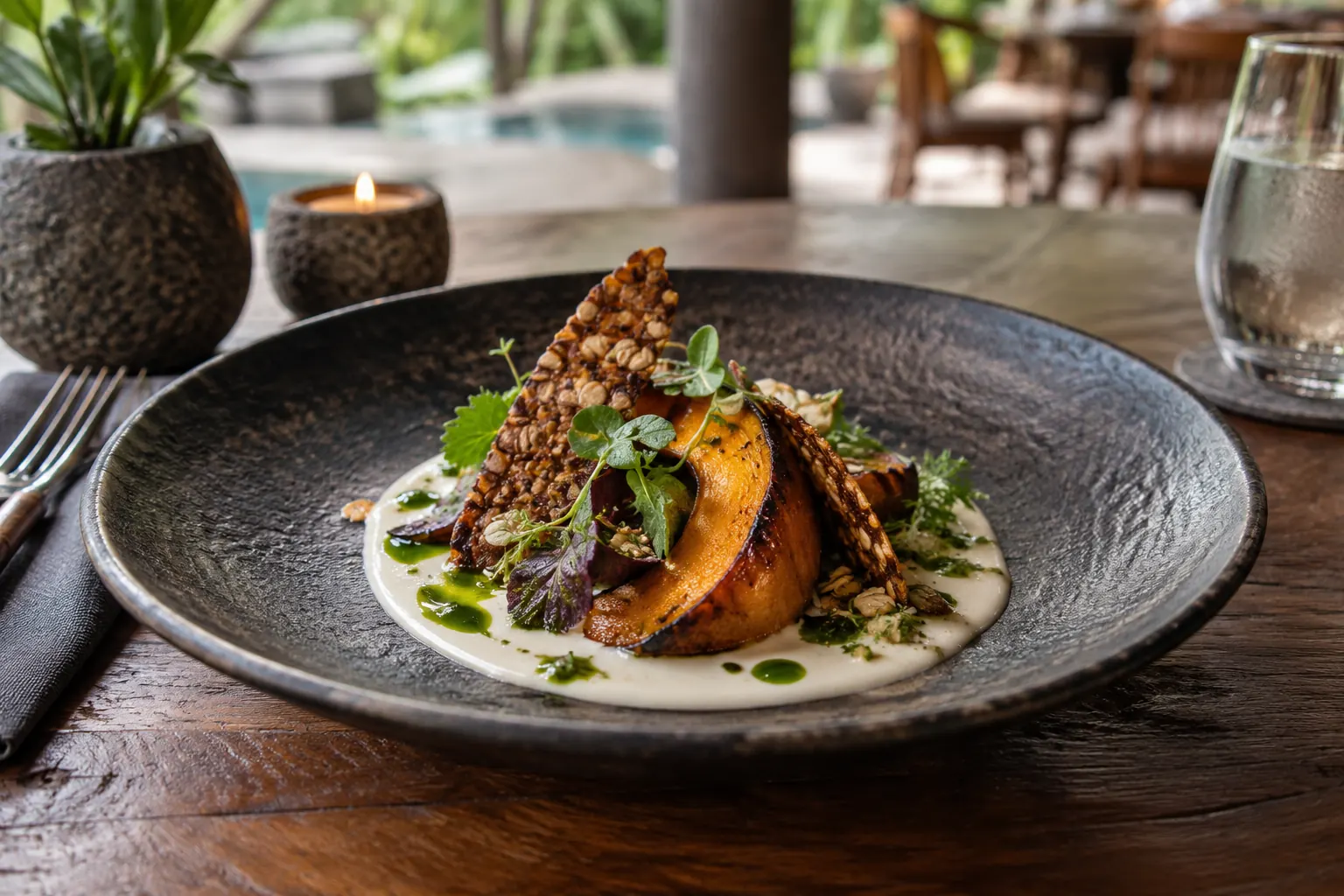
Bali Fine Dining in 2026: A Moment of Transformation Bali's fine-dining landscape is evolving rapidly. International chefs are settling in; a new generation of Balinese culinary professionals is returning home; sustainability has shifted from trend to expectation; and travelers demand experiences, not just meals. For private chefs, this means higher standards, deeper creativity, and accountability. Trend 1: Hyper-Local Sourcing & Terroir-Driven Menus What's Happening Chefs are building direct relationships with Balinese farmers, fishermen, and small producers Menus change with seasons and local availability, not fixed recipes Ingredient sourcing is transparent—diners know where everything comes from What This Means for Your Dinner Ask your chef: "Can you source 80%+ of ingredients locally?" Expect seasonal menus (December ≠ July offerings) Value increases when origins are traced and respected You'll taste the difference in freshness and flavor Private Chef Advantage Hyper-local menus are difficult in restaurants but ideal for private chefs Farmers' market sourcing is fresher and cheaper than restaurant suppliers You control the narrative around your meal's origins Trend 2: Sustainability & Ethical Sourcing What's Happening Overfished species (grouper, tuna) are being replaced with more sustainable alternatives Single-use plastics are being eliminated Food waste is being turned into stock, paste, or compost Community farming and regenerative practices are gaining traction What to Expect Your chef sources from certified sustainable fisheries Less waste, more nose-to-tail or whole-animal cookery Organic, biodynamic ingredients prioritized Transparent disclosure of sourcing (and why certain ingredients aren't used) Questions to Ask "Are the fish species you source from sustainable fisheries?" "How do you minimize food waste?" "Do you work with organic farmers?" Trend 3: Balinese Culinary Identity (Modern Takes on Tradition) What's Happening Balinese cuisine is being reconsidered through a modern lens Traditional spice pastes and slow-cooked dishes are being elevated with technique Balinese chefs are reclaiming culinary authority in their own culture Fusion has given way to "refined tradition" What This Means Expect Balinese dishes that are complex, intentional, and deeply flavored—not diluted for international palates Dishes that honor tradition but employ modern technique (sous-vide rendang, deconstructed sambal) A chef who can explain the history and cultural significance of what you're eating Dining Expectation Balinese menus aren't "fusion"; they're thoughtful reinterpretation You'll learn about regional differences (Balinese cuisine varies by area) Authenticity is valued; inauthentic "tropical fusion" is seen as dated Trend 4: Wellness-Integrated Fine Dining What's Happening Chefs are trained in nutrition, functional ingredients, and macro-balance Menus cater to health-conscious diners without sacrificing indulgence Adaptogens, probiotics, and nutrient density are built into menus intentionally Wellness retreats now expect fine-dining standards, not just "healthy" food Practical Examples A dessert that's gluten-free, dairy-free, plant-based, but utterly satisfying A multi-course menu that's 50% plant-based without feeling restricted Functional ingredients (turmeric, ginger) built into menus for their benefits, not token gestures For Your Dinner Mention any dietary approaches: vegan, keto, paleo, low-carb, plant-forward Expect chefs to execute these creatively, not as limitations Wellness and indulgence are no longer mutually exclusive Trend 5: Experiential Dining & Storytelling What's Happening Chefs are narrators, not background workers Menus tell stories: About ingredient origins, techniques, cultural heritage, or personal journeys Diners want to understand the "why" behind each course Interactive elements (tableside cooking, ingredient explanations) are valued Examples A chef explaining the spice balance of a Balinese curry and its health origins Showing how a traditional technique is applied to modern ingredients Sharing the origin story of an ingredient (this fish was caught by local fisherman X this morning) Private Chef Advantage Private chefs excel at narrative dining (restaurant chefs rarely have this luxury) You can request a themed dinner or storytelling approach The chef becomes part of the experience, not hidden in a kitchen Trend 6: Technology & Precision in Traditional Cooking What's Happening Sous-vide, liquid nitrogen, and precision equipment are being used—but selectively Not for showmanship, but to honor traditional flavors with modern precision Technology enables consistency and allows creativity simultaneously What You Might See A perfectly cooked protein (impossible to achieve with traditional methods alone) Dishes that taste traditional but arrive with unexpected texture or temperature play Technique serving flavor, not the other way around Trend 7: Private Dining Over Public Restaurants What's Happening High-net-worth travelers are skipping restaurants entirely Private chef experiences are seen as more exclusive, controlled, and luxurious Bespoke dining is the ultimate status marker (not being seen in a restaurant, but curating an experience) Implications Demand for private chefs is surging; book 2–3 months in advance Chefs are refining their craft for intimate, high-expectation audiences Villa dining is now status dining What This Means for Your 2026 Dinner Expect higher standards: Chefs are better trained and more specialized Plan ahead: Booking windows are tighter; 2–3 months in advance is standard Communicate clearly: Chefs now expect detailed conversations about your values (sustainability, health, cultural interest) Be willing to taste tradition: "Fusion" has died; refined, authentic Balinese cuisine is in Value narrative: You're paying not just for food, but for story, sourcing, and expertise Final Thought Bali's fine-dining moment is no longer about impressing with exoticism or luxury excess. It's about intention, authenticity, and respect for the island's culinary heritage. For private chef dining, this is an extraordinary moment—chefs are more skilled, more thoughtful, and more invested in your experience than ever before.